Recovery in the Doomscroll
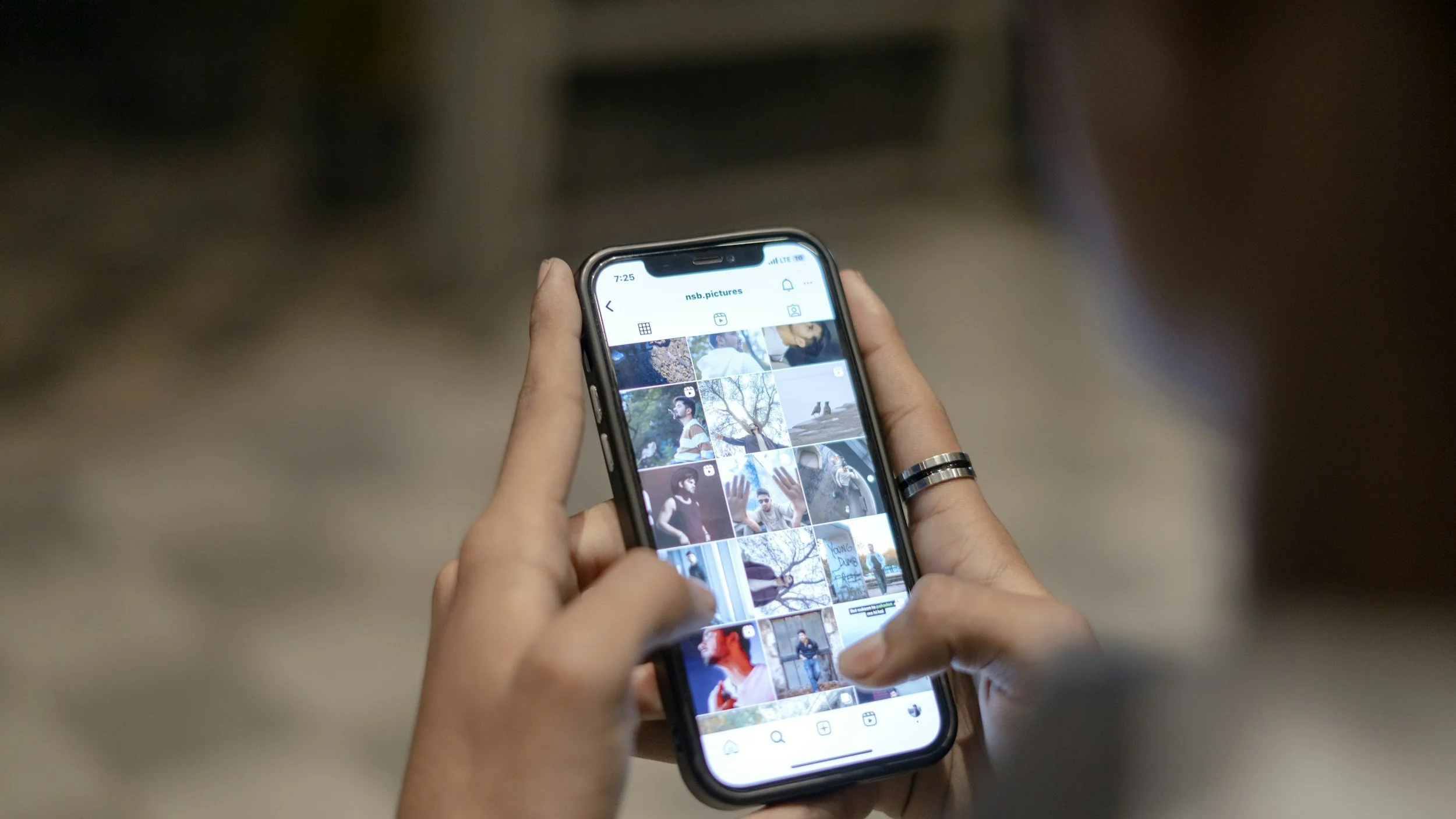
It's no surprise that in this day and age, eating disorder recovery and social media do not mix. Social media platforms often promote unhealthy eating and exercise patterns with things like “thinspiration” and “fitspiration” running rampant, especially with warmer weather and the annual rise of people chasing their dream “beach bodies." Studies have even found that pro-ED content can frequently appear on anyone’s algorithm -- without prior searches. These unhealthy mindsets are everywhere and as we see the use of technology continue to rise, it's clear that pro-ED content has normalized the diet-culture narrative in many young people's developing minds.
Unfortunately, even if you are not following fitness or food-centered content creators, social media still remains a breeding ground for comparison and competition. Upon scrolling through your feed, in just the span of a few minutes, you're likely to see an old high school friend's weight loss journey or one of your friends in a bikini at the beach. These otherwise harmless posts can immediately start a mental spiral...and more often than not, it's happening in your subconscious, chipping away at your mental resolve. As time goes on, you may start to engage in subtle eating disorder behaviors or notice your body image plummeting. Thoughts like, “Well I don’t look like that! Clearly I am doing something wrong,” or “Look at her…I should really be eating less with summer right around the corner,” or “Why can’t I eat like that? I have no willpower,” may start to crowd everything else out. Sometimes, the effects of the doomscroll don't always present themselves so outright either. Some actions are more subtle, like slowly removing items from your meals or adding just a few more exercises each week to your regimen. It is hard to recognize these behaviors and/or thoughts at times, especially when we tell ourselves we are being “healthier” or we're “just trying to take care of ourselves,” or even asking ourselves the popular question -- “does a little extra cardio really hurt anybody?”
Eating disorders thrive in the environment that social media has created. Doomscrolling and constantly consuming content provides the perfect opportunity to plant seeds of doubt, discomfort, and dissatisfaction with oneself. We have started to live our lives watching other people live their own "perfectly curated" lives. It's important to remember that we're never privy to the full picture, yet we take it as such and always fall short.
It's also important to have nuance here, of course -- not all social media is bad. After all, that's why we're still on it! There are good parts about being online: staying in touch, finding healthy inspiration, learning more about different hobbies, connecting with new friends, etc. There are even people online (such as us here at @radiantnutritionrd) that provide support and encouragement for people in eating disorder recovery, and good movements with body positivity and acceptance still circulate every once in a while.
Quick note: We do recommend making sure that whoever you are following, if giving nutrition advice, is a registered dietitian who cites their sources. It is also important that you seek help individually rather than taking to heart the words of someone who is giving blanket advice.
So how do you find a balance with social media? How do you know if it is helpful or harmful? I think it is important to ask yourself why you're scrolling and how it makes you feel. Are you logging on to stay in touch with people? Do you feel like your mood shifts after you've been on social media? Are you still able to stay in the real world, or are you only turning to social media for connection? There are some great questions on this website that may help you reflect on your relationship with social media. It may seem like it is not worth the effort or energy, but in recovery (or otherwise!), it can truly make such a difference.
I also want to note that helpful, credible resources for loved ones of those with eating disorders can be hard to find. Studies found that more than half of parents did not know where to turn for eating disorder support, and a significant percentage of teenagers were doing the opposite-seeking out pro-ED websites-learning more ED habits from others. Alliance for Eating Disorders, Equip, NEDA, Eating Disorder Hope, and ANAD are great starting points and provide a wealth of resources and information. We are also here to support you in any way.
I want to remind you that your body was not designed to look like or function like that of anyone else. We are all unique, powerful individuals with the ability to do great things, no matter what we look like or what other people do. If you find yourself struggling with body image, disordered eating, an eating disorder, or even an unhealthy relationship with exercise, we can help you. As a group of registered dietitians, we are nutrition experts. We see clients of all different shapes, sizes, genders, ages, orientations, and religions. Start your journey here.
References:
Nawaz, F. A., Riaz, M. M. A., Banday, N. ul ain, Singh, A., Arshad, Z., Derby, H., & Sultan, M. A. (2024). Social media use among adolescents with eating disorders: a double-edged sword. Frontiers in Psychiatry, 15(15). National Library of Medicine. https://doi.org/10.3389/fpsyt.2024.1300182